
The Living Age Initiative
Executive Summary
A single-scroll overview of the mission, technology, market opportunity, revenue model, and cultural engine behind the Living Age Initiative.
Living Works is an AI-driven platform for designing biological systems, organisms, and living materials. Where traditional engineering builds rigid objects, Living Works designs growth processes — the rules by which forms emerge from living matter.
The mission spans technology and culture: build the design tools, and build the narrative movement that makes people understand why those tools matter.
Modern construction, manufacturing, and infrastructure are based on industrial-age engineering — assemble rigid components, consume massive energy, replace when broken. Meanwhile, living systems self-assemble, self-repair, adapt, and grow without centralized control.
Our current tools only allow us to analyze biology. We have no design interface for working with life as a creative medium. That is the gap Living Works fills.
AI-driven organism engineering for pharmaceuticals, agriculture, and manufacturing.
Generative models for proteins and therapeutic molecules.
Enterprise tools managing biological research data and pipelines.
Plus: the emerging programmable living materials market — bio-grown buildings, carbon-absorbing cities, self-repairing materials — with no dominant design platform yet. Living Works is positioned as the first mover in this space.
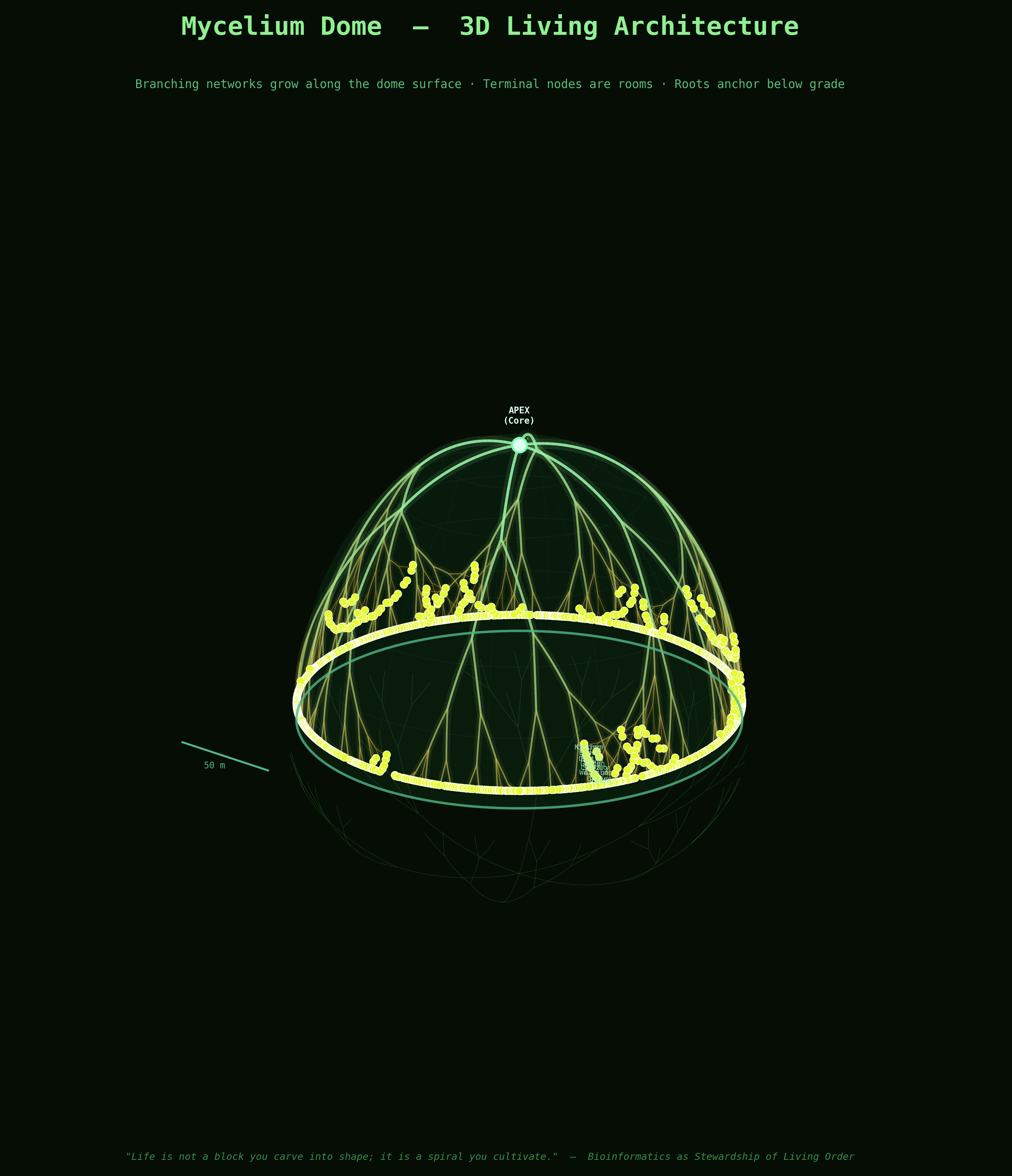
3D simulation of biological growth: branching systems, nutrient diffusion, biomechanical forces, cellular rules. The form emerges from the simulation.

Describe a biological structure in plain language. The system generates growth algorithms, gene pathway suggestions, and structural simulations.
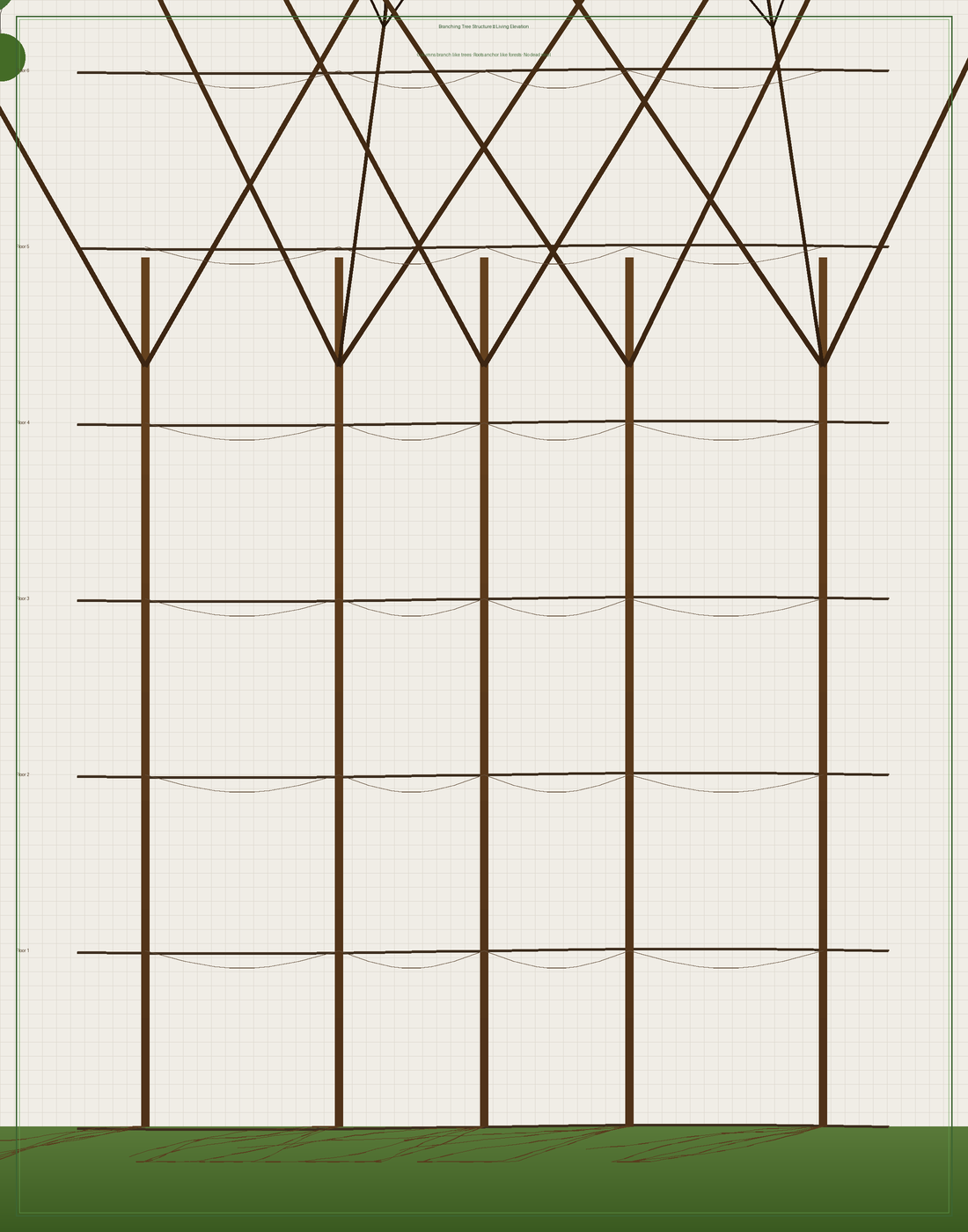
Unified workspace for organism blueprinting, gene network visualization, tissue architecture modeling, and ecosystem design.
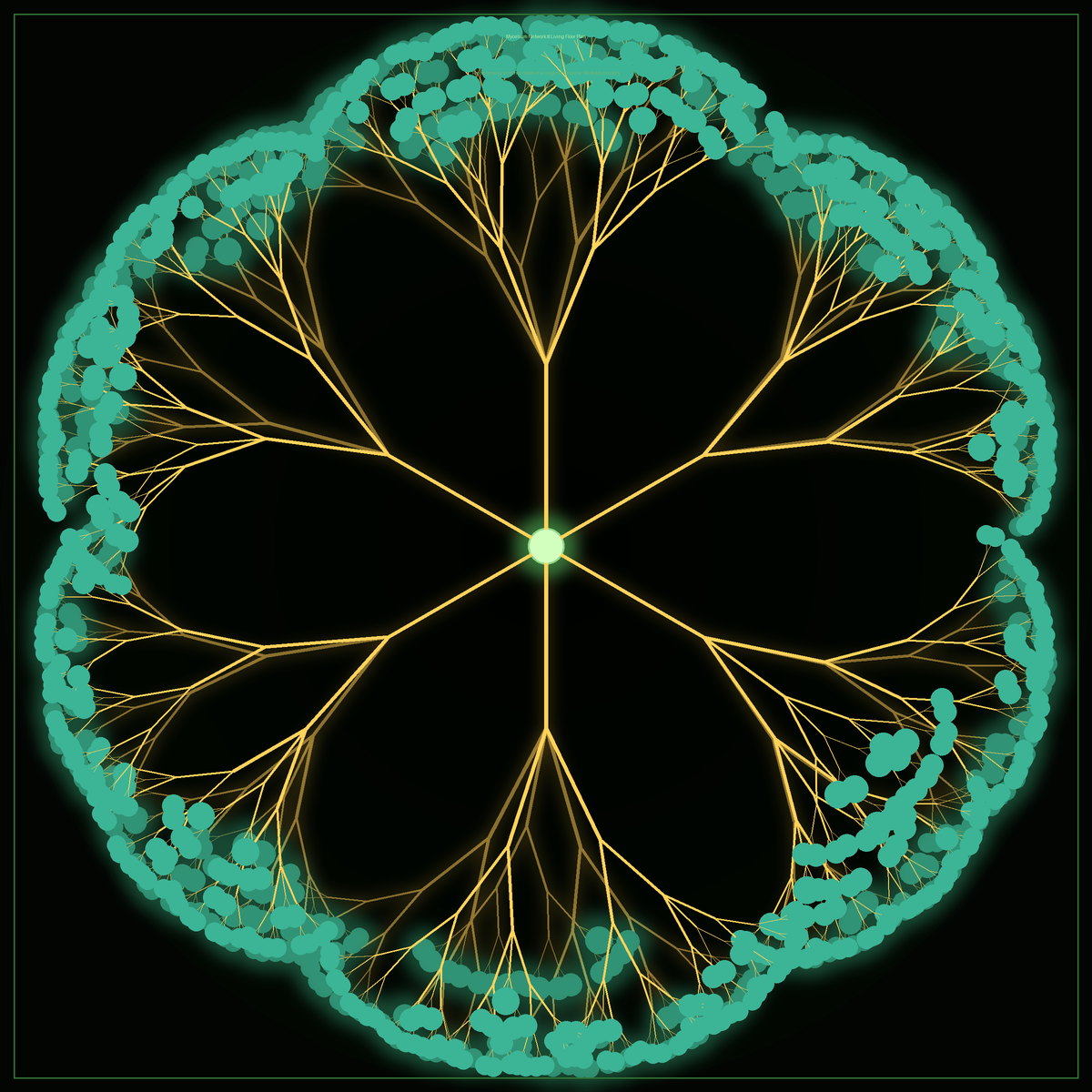
Curated database of biological building blocks — mycelium, plant scaffolds, bacterial cellulose, coral mineralization — each with growth rules.
The platform enables biological design across scales — from genome to architecture. SaaS subscriptions, enterprise services, and IP licensing create revenue. Real-world solutions: living buildings, carbon-negative materials, programmable ecosystems.
The Sagent Creed videos, True Republic podcast, and 8 Pillars series create cultural demand for biological design — the same way "Think Different" created demand for personal computers before people understood why they needed them.
| Stream | Target Customers | Price / Terms |
|---|---|---|
| Academic SaaS | Universities, synthetic biology labs | $50–$200/mo |
| Startup SaaS | Biotech companies, materials startups | $500/mo |
| Enterprise SaaS | Architecture firms, pharmaceutical companies | $2,000+/mo |
| AI Design Services | Materials companies, construction firms, biotech | Project-based |
| IP Licensing | Growth algorithm patents, organism systems | Recurring royalties |
Phase 1 · Years 1–2
Build the foundation. Morphogenesis engine, AI design interface, basic BioCAD platform. Early adopters: universities and synthetic biology labs. Academic SaaS subscriptions.
Phase 2 · Years 3–5
Expand to industry. Living material design, architecture simulation, advanced AI models. Partner with architecture firms and materials companies. Launch enterprise tier.
Phase 3 · Years 5–10
Enable the Living Age. Programmable ecosystems, organism-scale design, and living infrastructure. The platform becomes the standard design environment for biological systems across industries.