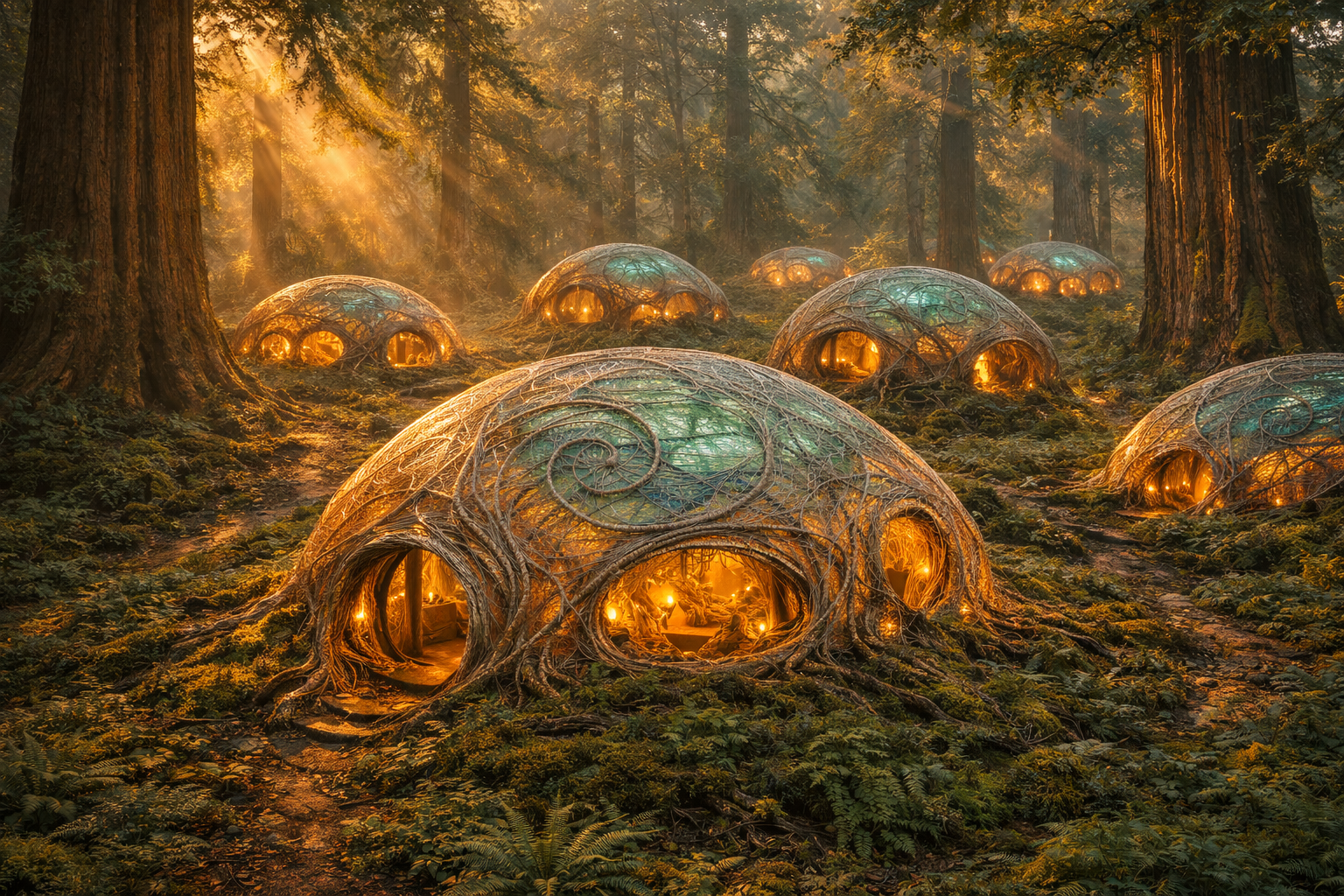
The industrial age was built on a single foundational error.
Everything else follows from it.
An age defined by dead engines, rigid blocks, and domination over life.
Industrial engineering designs systems that must first kill what is living: trees become lumber, soil becomes substrate, ecosystems become resources. Only once life is stripped away can control be imposed.
This worldview is inherited from Rome: hierarchy over harmony, command over relationship, domination over participation. Nature is treated as chaos to be conquered. Life is treated as a problem to be solved.
And so we built a world of cubes, grids, and monocultures — a world efficient on paper and catastrophic in reality.
The result is visible everywhere: dead soil, collapsing ecosystems, brittle supply chains, soulless cities, fragile systems that burn, flood, or fail the moment stress appears.
This is not a failure of technology. It is a failure of design philosophy.
That humans are separate from nature.
From this lie came:
Where life grows in spirals, we imposed straight lines.
Where ecosystems rely on diversity, we enforced uniformity.
Where systems wanted decentralization, we demanded central control.
The ancient Amazonian civilizations understood something modern society forgot:
They were not erased because they were weak. They were erased because living systems cannot survive under domination.
The industrial age was not meaningless.
It was a necessary death.
We could not have learned how life works without first dissecting it. We could not have measured complexity without first reducing it. We could not have learned the language of life without first breaking it apart.
But dissection is not the goal of medicine. And control is not the goal of design.
The industrial age was a stepping stone, not a destination. Now the conditions have changed. We finally possess the tools — biological data, machine learning, decentralized computation — to move beyond dead manufacturing into living creation.
This is the age of:
In this age, design no longer means imposing form.
It means shaping conditions.
You do not command life.
You listen to it.
You do not force outcomes.
You invite emergence.
Anything that is not growing is decaying.
The Living Age is built on this truth.
Not Engineer — because engines are dead.
This new designer does not work on nature. They work within it. They design like a gardener, not a general. Like a conductor, not a dictator. Like Adam — formed from the soil itself, placed in the garden not to dominate it, but to tend it and keep it in balance.
This is design in the image of God:
Life is not a resource. Life is a language.
And the Steward of Life is learning to speak it.
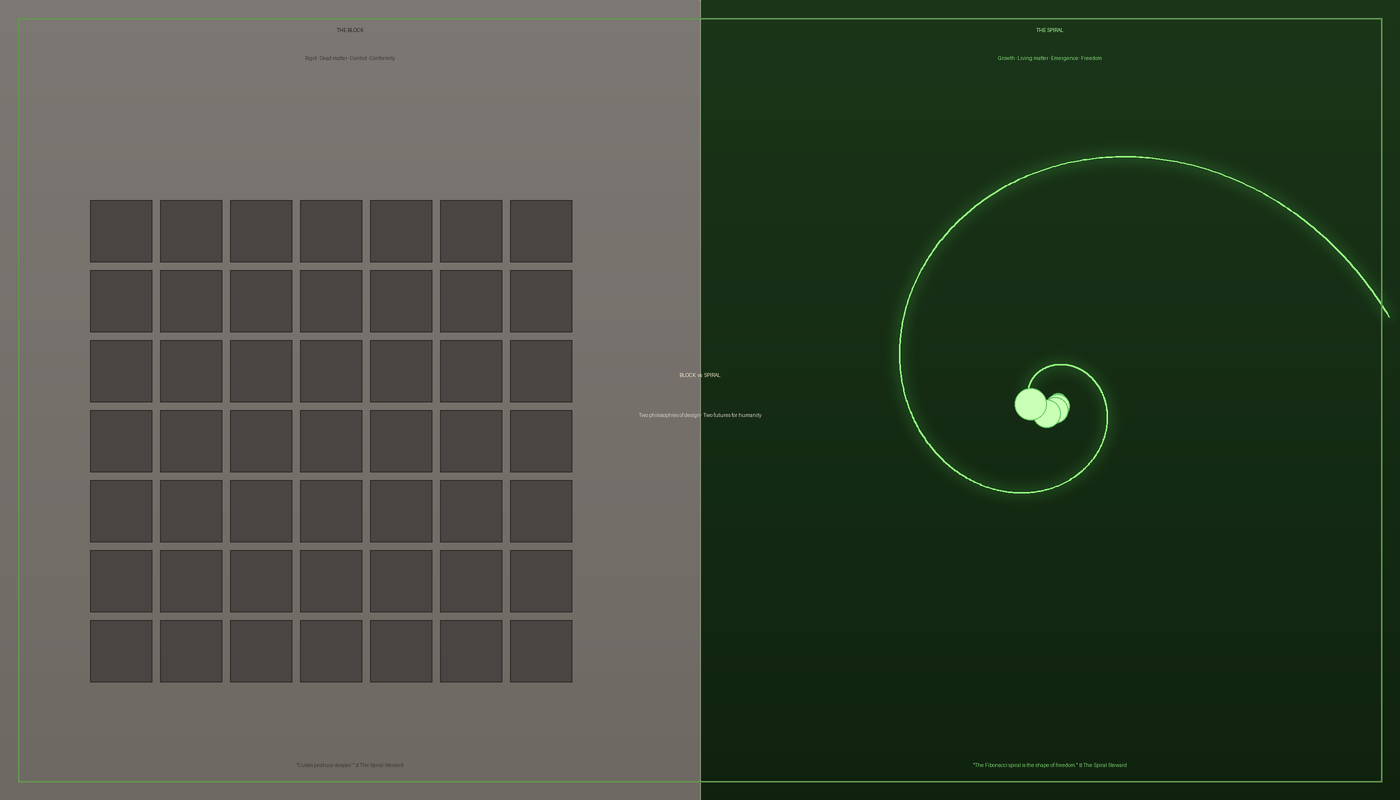
When worlds are built in squares, people think like machines.
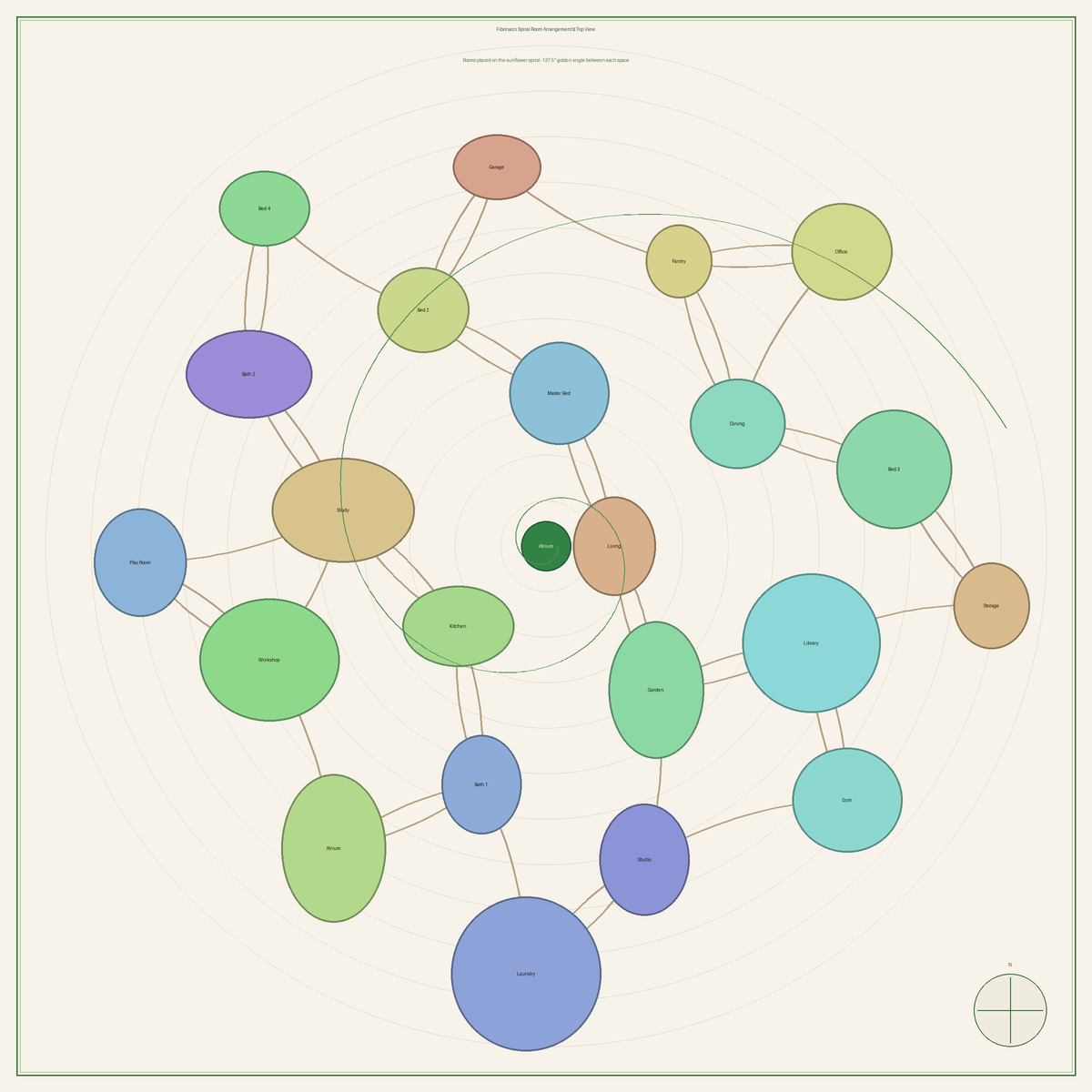
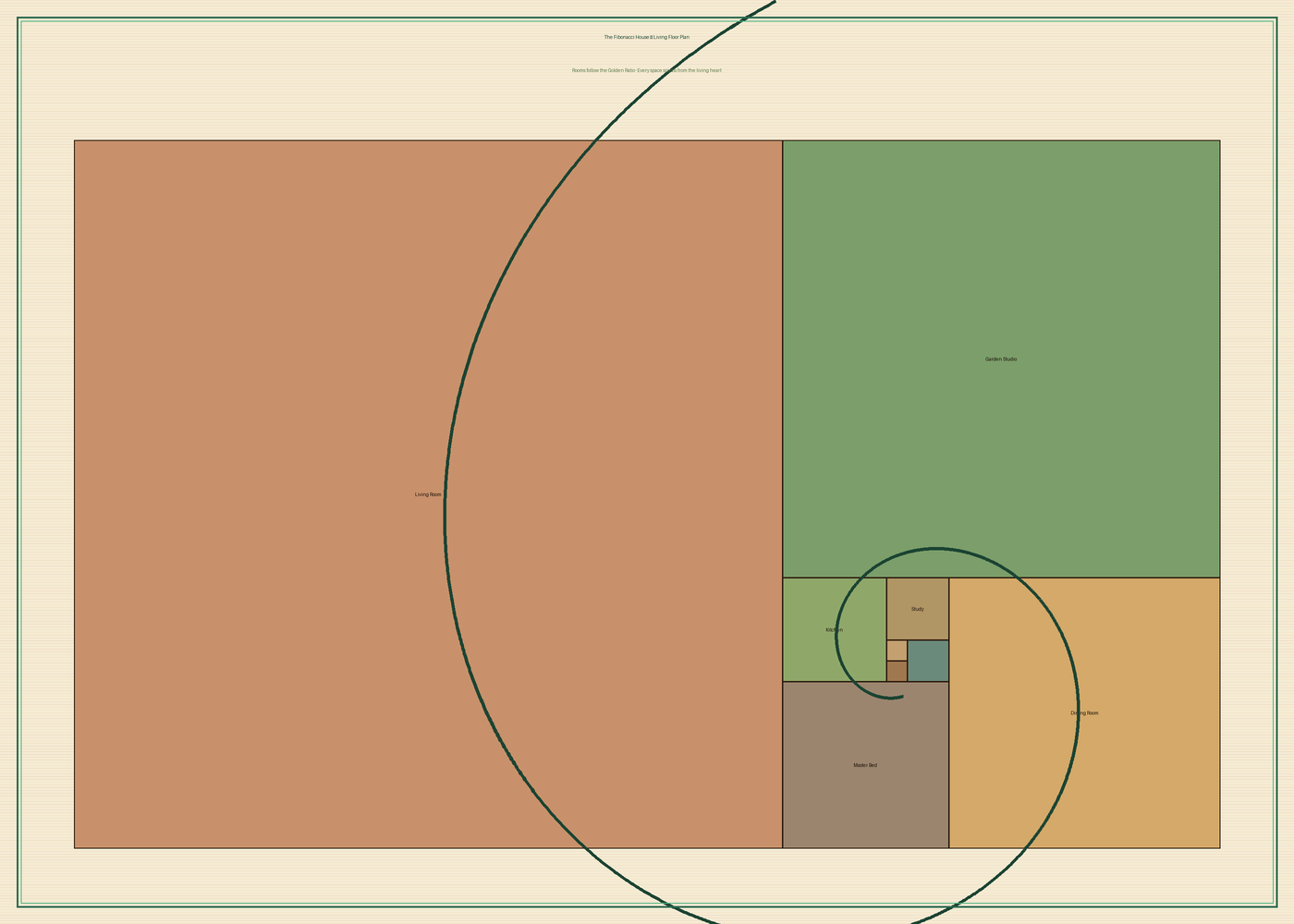
When systems follow spirals, societies become alive.
But this is not a destructive fire. It is the Green Flame.
The green flame does not kill life. It kills what is already dead. It purifies. It renews. It returns decay back into growth.
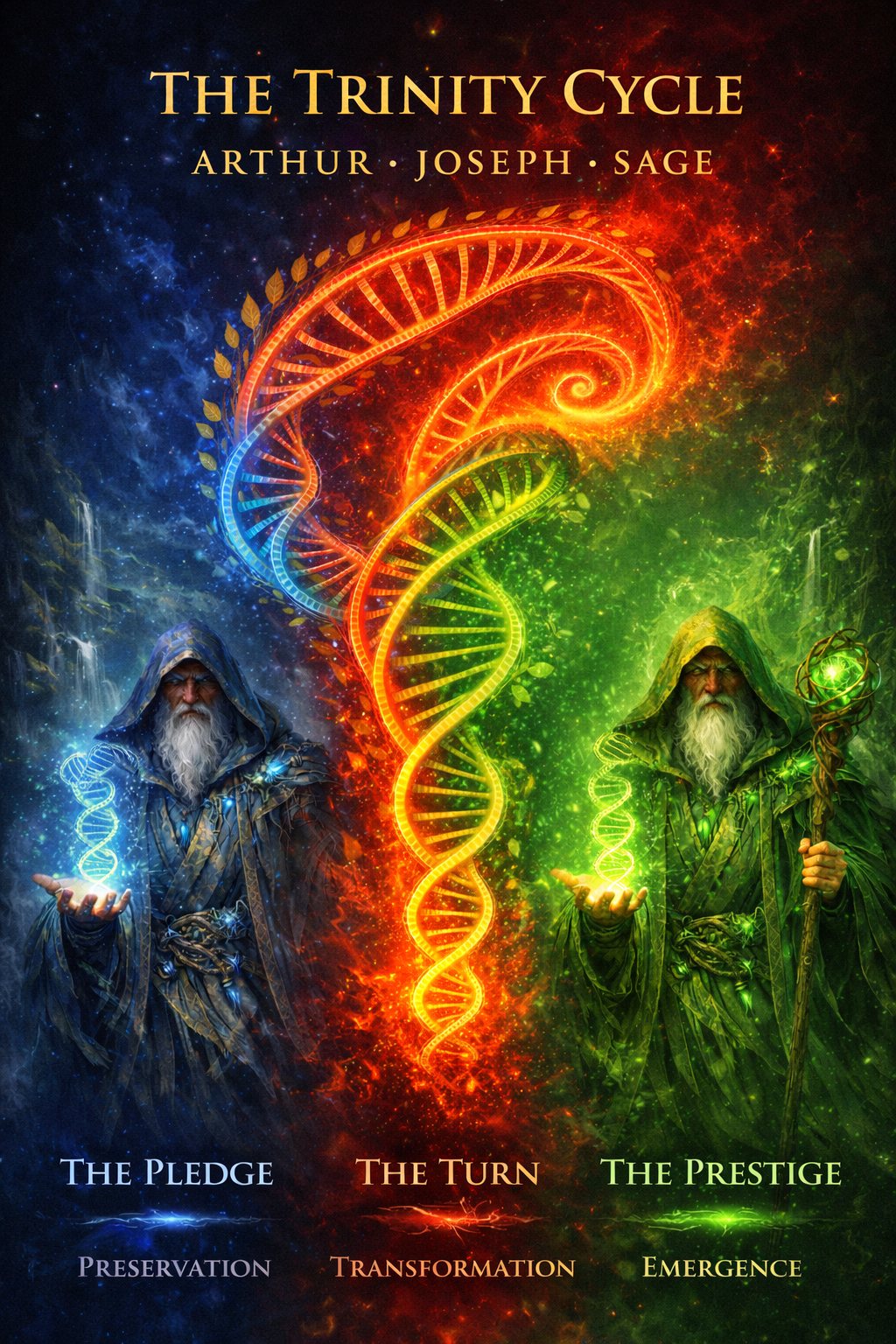
It is the Trinity written into creation itself: Father, Son, Holy Spirit. Creation, sacrifice, resurrection.
From the ashes of the industrial age, the Living Age rises.
In Judges 9, the thorns accept kingship — but thorns were never meant to rule. They were meant to protect, contain, define edges, and defend life.
This is not just a moral story. It is a systems lesson.
When a single function elevates itself above the rest, the system collapses. Cancer is not a foreign invader — it is a cell that forgot its role.
Empire is systemic cancer.
Empire architecture creates empire minds.
Dead spaces create dead thinking.
Living systems create living cognition.
The environment is not neutral. Design is moral.
This produces:
Life does not tolerate this forever.
Nature eventually burns what is dead.
Fire is not punishment — it is restoration.
A shepherd:
Stewardship does not reject intelligence or technology. It reorients them.
DNA is not a blueprint. It is a grammar.
Ecosystems are not machines. They are conversations.
If we understand this code, we do not control life — we collaborate with it.
LivingWorks is a life-based design system — the equivalent of SolidWorks or CAD, but for living systems instead of dead objects.
Instead of designing objects:
You don't draw a house.
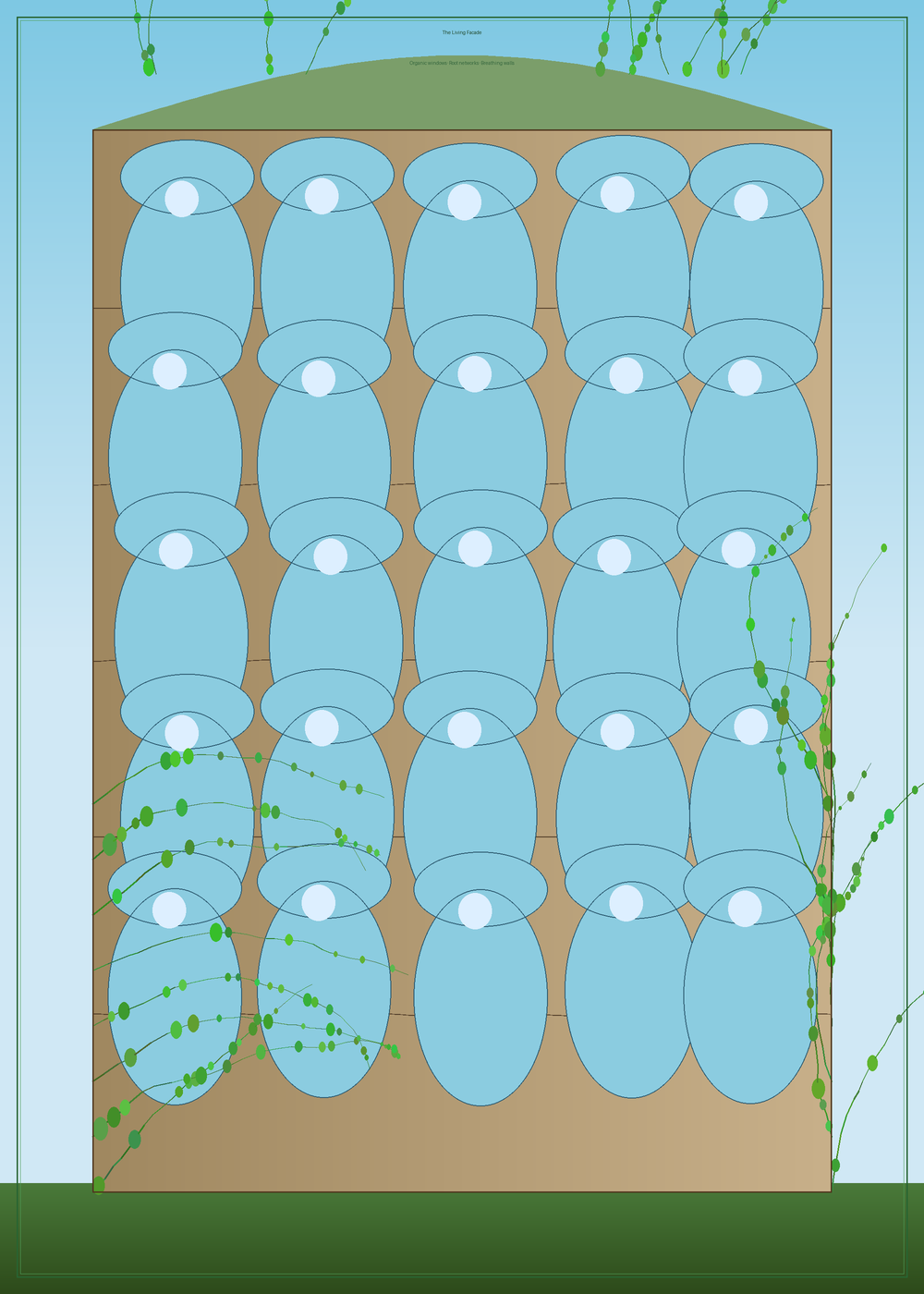
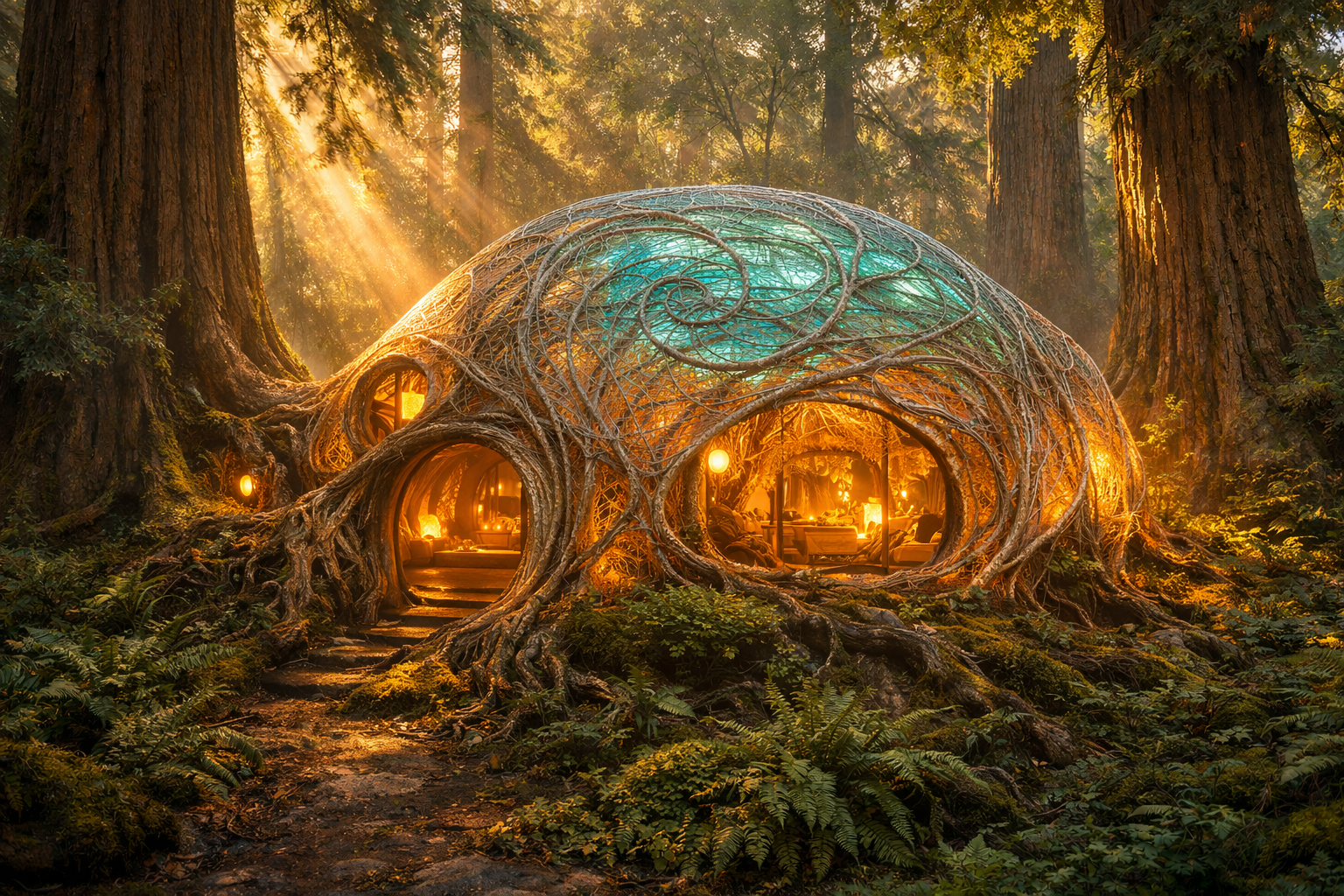
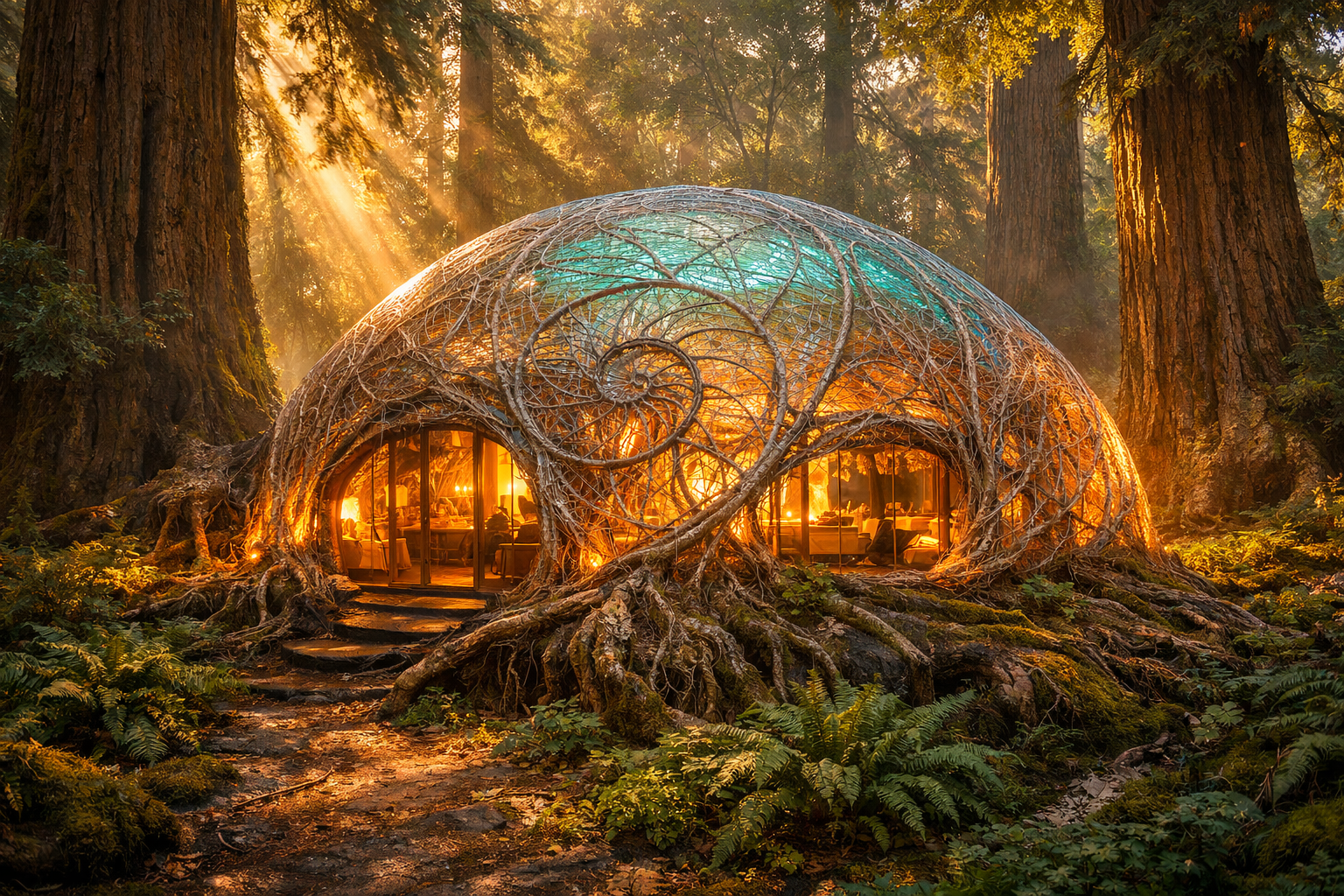
You design an ecosystem that grows shelter.
You don't manufacture materials.
You cultivate living structures.
To decode nature's language, we need many translators working together:
Spatial harmony & human experience
Flows, resilience, infrastructure
Spontaneous order, incentives, emergence
Decoding biological grammar
Simulation, abstraction, scalability
Pattern discovery, feedback sensing
Grammar, meaning, symbolic structure
Ethics, purpose, limits of control
Decentralization, power dynamics
Non-forcing, alignment
Cultural transmission and understanding
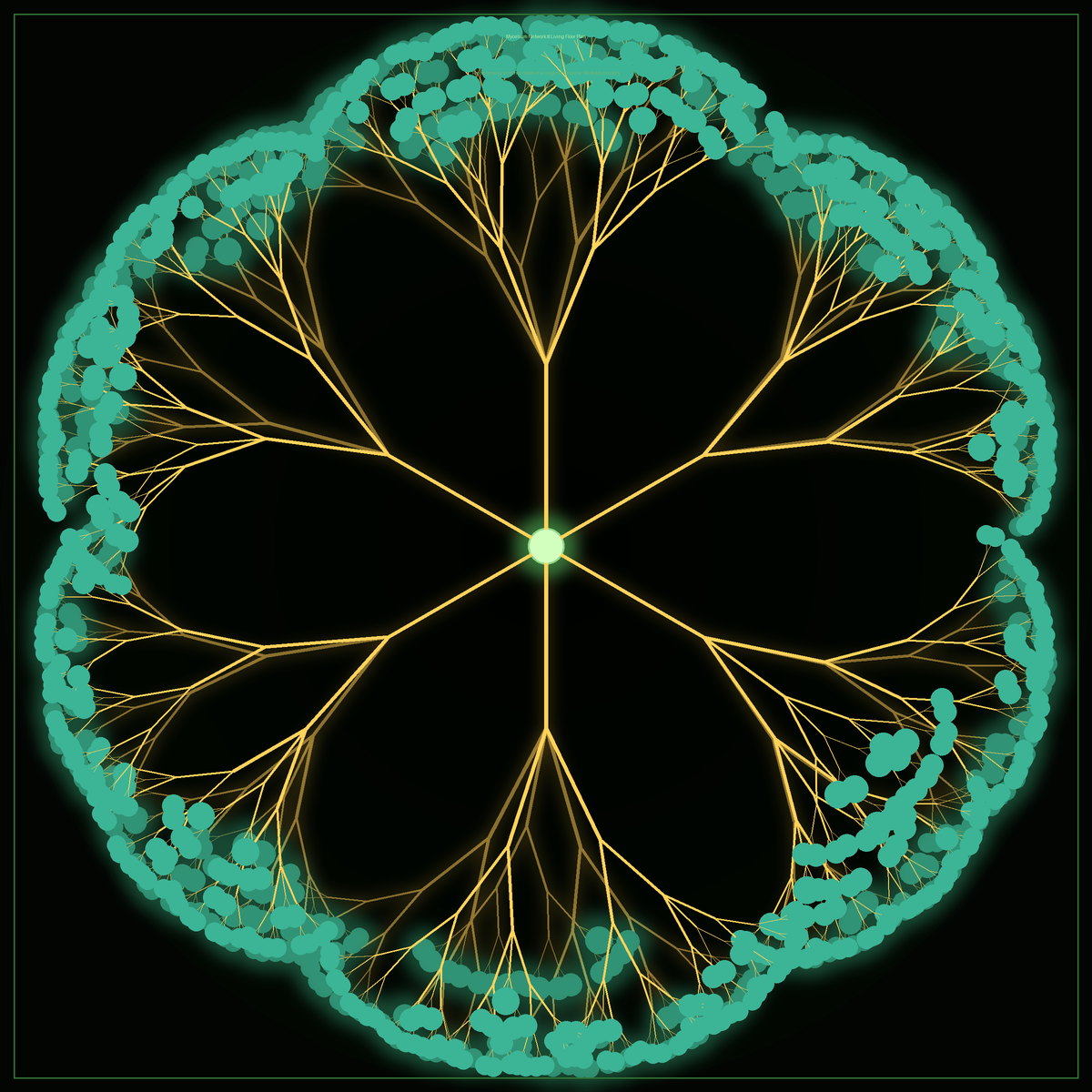
Every field is a cell, not a ruler.
This is not empire research. This is ecosystem research.
"If these conditions exist,
what wants to grow here?"
Instead, you specify:
The system then simulates emergence, not assembly.
No more:
Instead:
Manufacturing becomes cultivation.
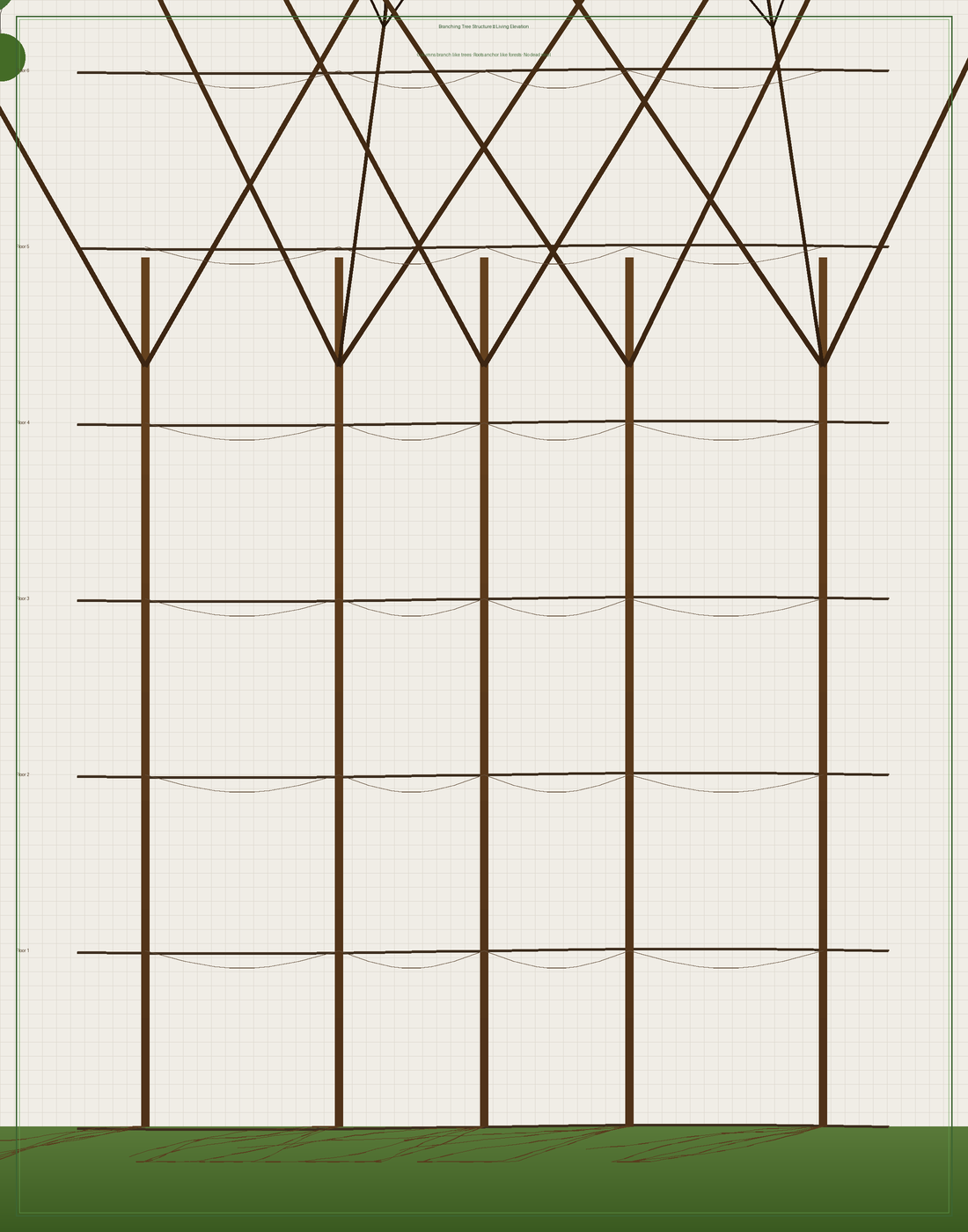
Empire requires blocks.
Freedom requires spirals.
A decentralized world cannot be built with cube logic. A living society cannot be housed in dead shapes.
When structures live:
This is not utopian. It is ecological realism.
Life already knows how to build worlds.
We forgot how to listen.
LivingWorks will be created to remember.
Not to rule. Not to dominate.
But to restore balance —
so the thorns return to guarding the garden
instead of trying to be king.