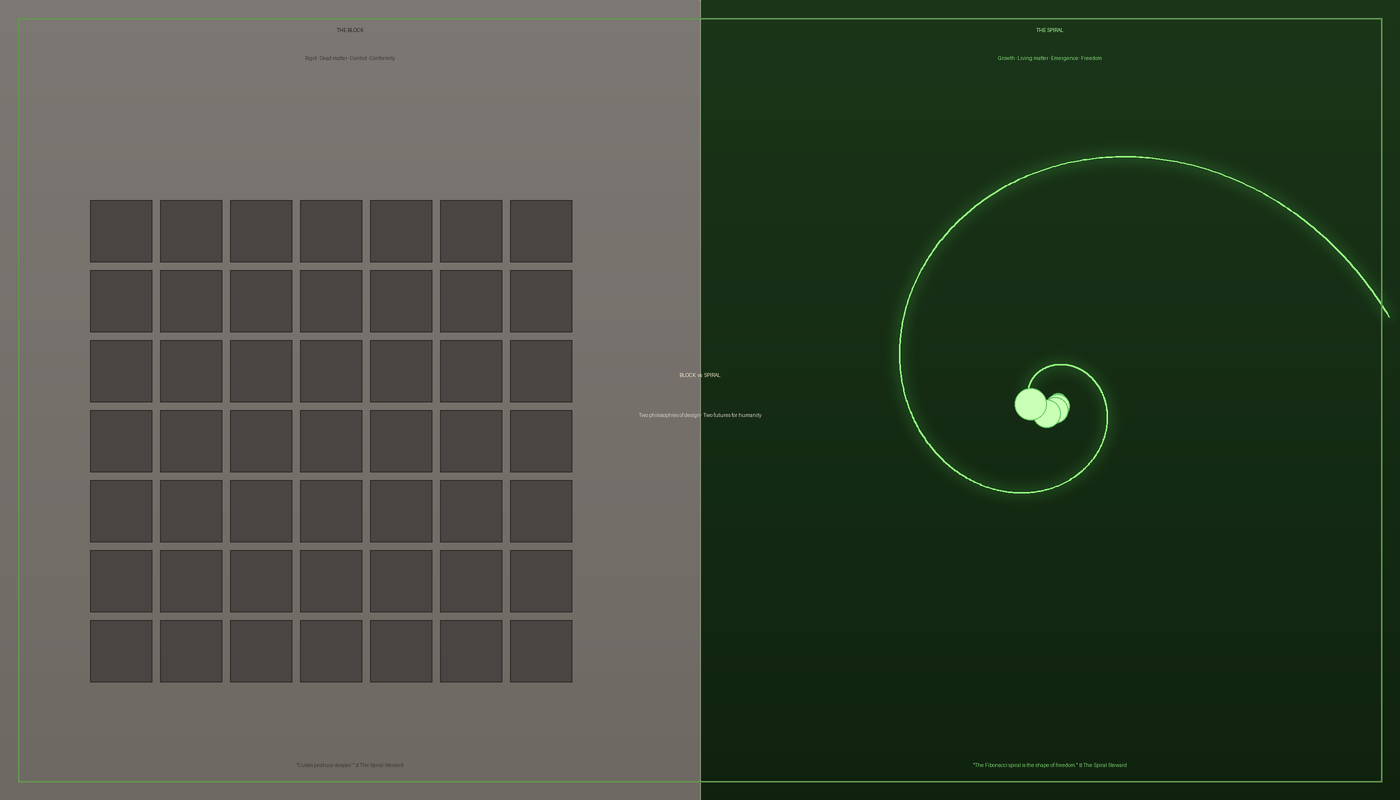
Block vs. Spiral — The Core Argument
A scrolling narrative through the idea that will reshape how civilization builds — from rigid mechanical systems to adaptive biological ones.
Every city built in the last two centuries follows the same grammar: cut, cast, assemble, fix. Stone to brick. Brick to concrete. Concrete to glass and steel. The forms change, but the logic is identical — impose shape on dead matter through force.
Industrial civilization mastered this grammar. It built factories, highways, skyscrapers, semiconductors. The block-world gave us extraordinary things. But it extracted everything it built from the systems that sustain life — soil, water, atmosphere, biological complexity — and treated them as raw material to be consumed.
Rigid systems. Centralized control. Industrial production. Mechanical design. These are the hallmarks of block thinking.
The problem is not that the block-world failed. The problem is that we never asked whether there was another way.
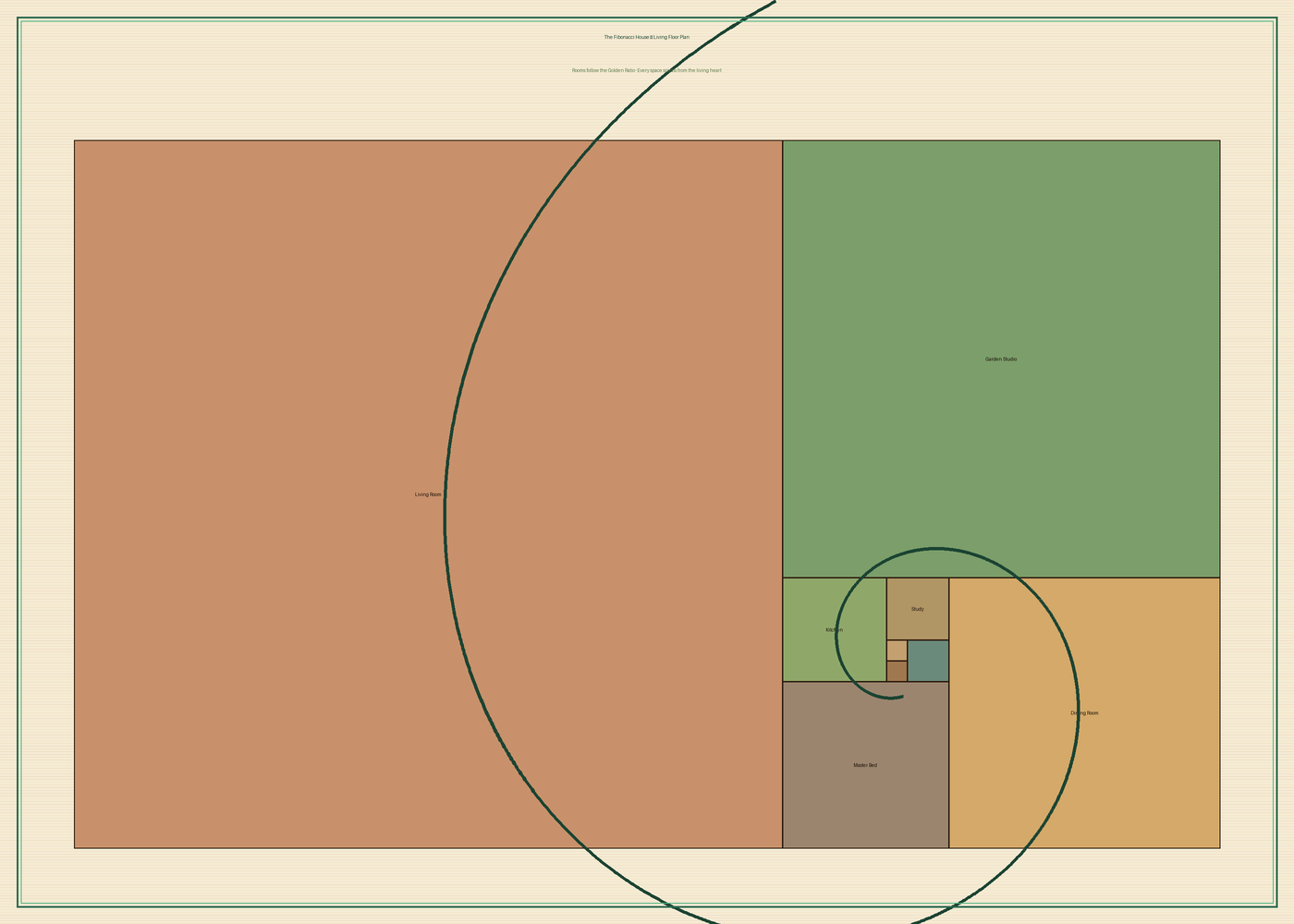
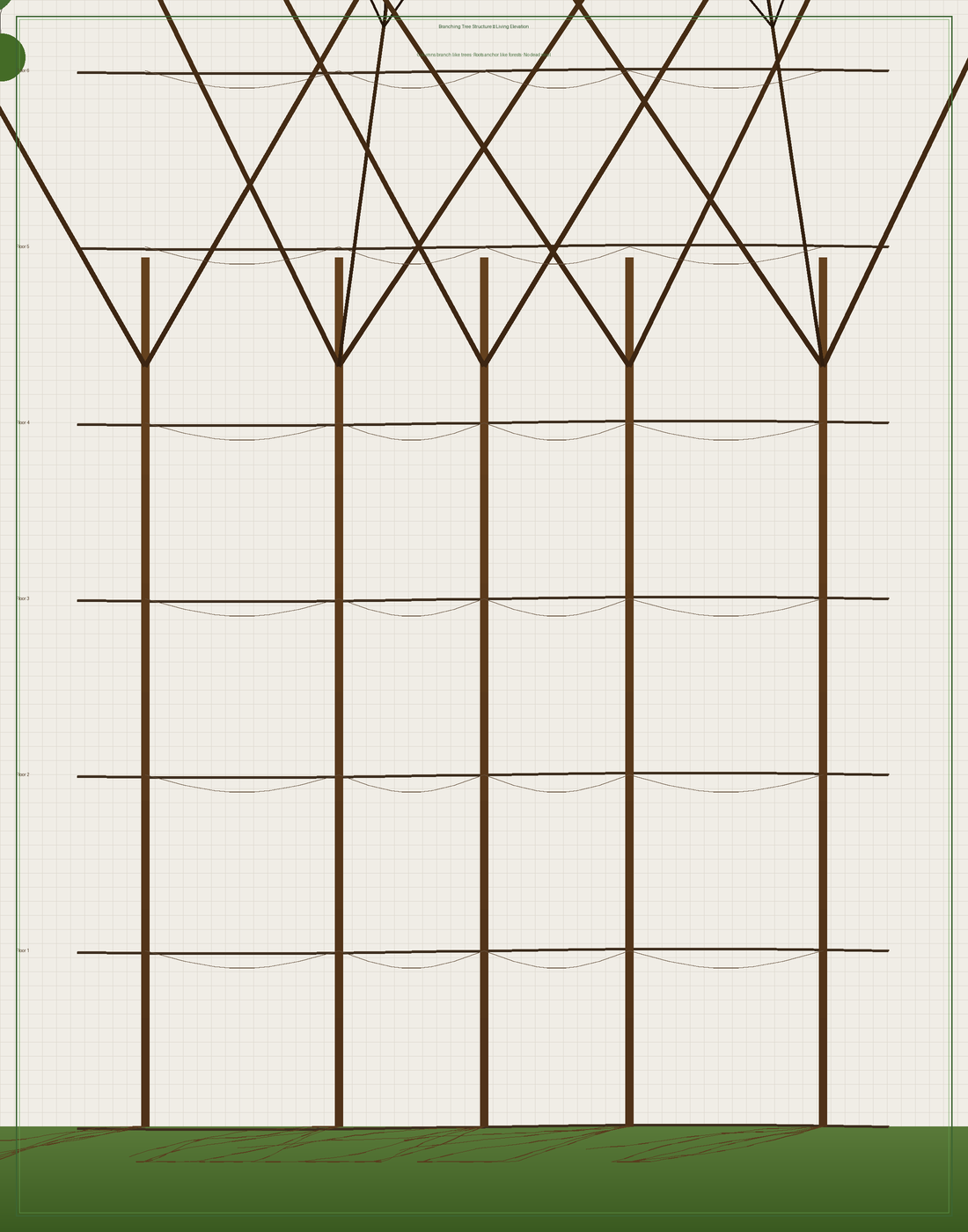
Consider a tree. No architect designed it. No engineer drew its load paths. Yet it solves structural problems that confound our best designers: it distributes stress perfectly through every branching joint, adjusts its form in response to wind loads over decades, repairs damage without external intervention, and absorbs carbon as it grows.
Consider coral. Building mineral architecture from seawater and sunlight, it creates structures of extraordinary complexity across thousands of square kilometers, without a blueprint, without a central controller, without a manufacturing plant.
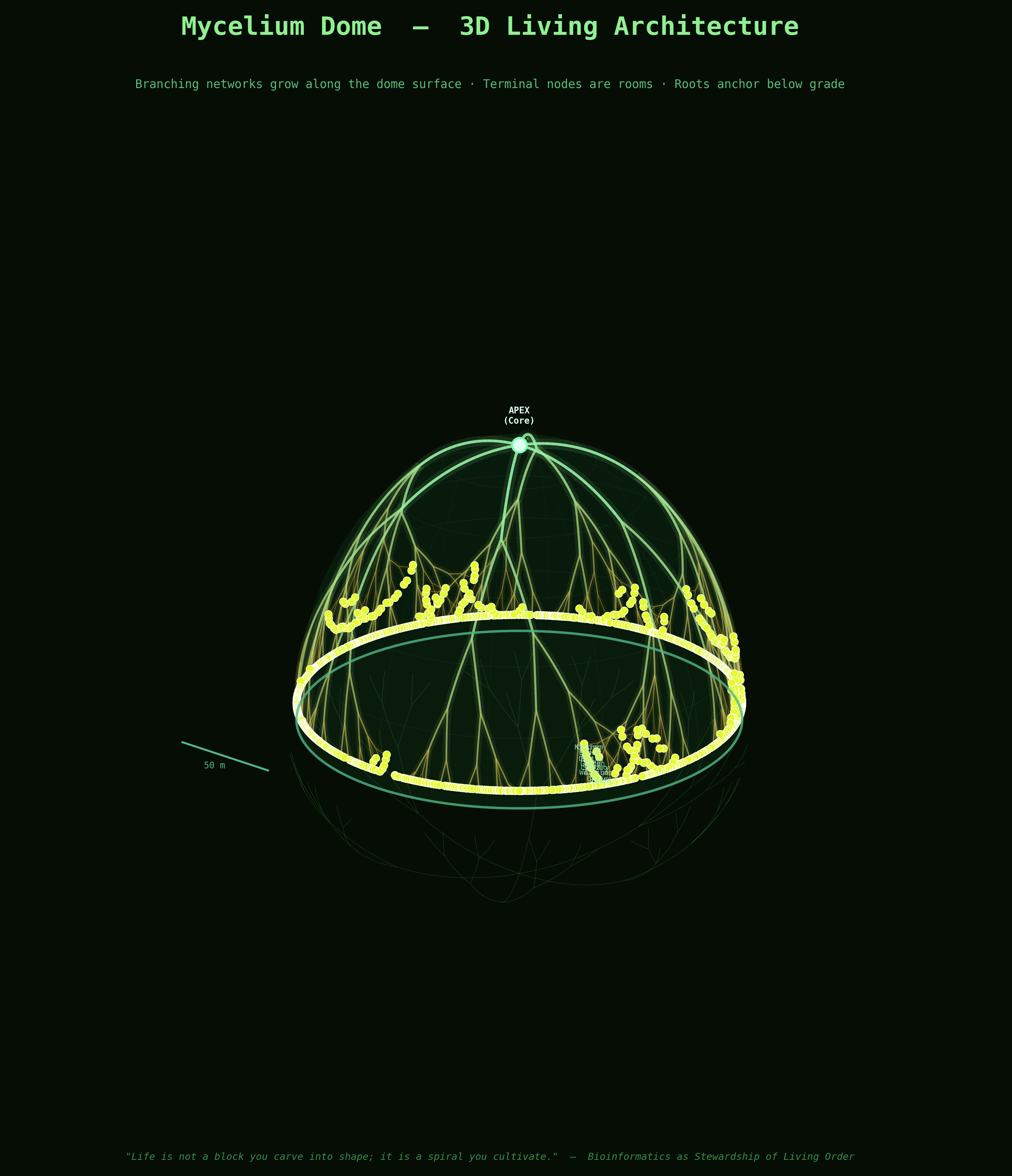
Consider fungal networks. They distribute nutrients and information through a mycelium web using no centralized logic — just local rules and feedback. The network is more efficient than any supply chain we have designed.
Decentralized intelligence. Growth. Emergence. Cooperation with natural systems. These are the hallmarks of spiral thinking.
Living systems already know how to build with no waste, no degradation, and increasing complexity over time. We just do not have the tools to design with them yet.
Bioinformatics — the science of reading and analyzing biological data — has matured into a vast toolkit. We can sequence genomes, model protein folding, track gene expression across single cells, map metabolic networks.
But analysis is not design. Knowing how a coral reef grows is not the same as being able to design with coral morphology. Understanding how mycelium networks form is not the same as being able to use those growth rules to create architecture.
The design interface between human intention and biological growth does not exist yet. No tool today lets an architect type "grow a self-supporting structure from fungal mycelium optimized for humidity resistance" and receive a growth model, structural simulation, and biological pathway suggestion in return.
That gap is the market. That gap is the mission.
Traditional 3D modeling requires direct vertex manipulation — you control every point in space. The morphogenesis engine works differently: define growth rules, let the geometry emerge from simulation.
Cells grow, interact physically, and divide, producing complex 3D forms — the same way biological organisms develop from a handful of cells into branching, folding, asymmetric structures. Unrepeatable. Alive.
Natural language prompts translate into physics parameters. The interpreter reads intention and generates a growth program. The simulation runs. The form appears.
The technology needs a philosophy to guide its use.
The Spiral Steward is not a manager or a machine operator. A Spiral Steward is a gardener — someone who creates the conditions for health rather than imposing rigid outcomes. Someone who works with the intelligence already present in living systems rather than overriding it with central control.
Stewardship instead of control. Emergence instead of prescription. Decentralization instead of hierarchy. Adaptation instead of rigidity. Long-term thinking instead of quarterly extraction.
"To learn the language of life so we can stop treating it like dead matter — and start designing like gardeners, not rulers."
Living Works builds the tools. Spiral Stewards guide how they are used.
"The goal is not domination but guidance.
Like a gardener rather than a machine operator."
"Complex systems arise from simple rules.
A Spiral Steward designs conditions, not outcomes."
"Living systems respond to change.
Rigid systems break."
"Growth unfolds across time.
Stewards work with generations, not quarters."

The next era of civilization will be built on living materials, decentralized systems, and biological design. Not because it is idealistic — because it is the direction of technology, markets, and ecological necessity simultaneously.
Programmable living materials are becoming manufacturable. Synthetic biology is moving from laboratory curiosity to industrial platform. AI models are learning to generate biological structures with the same fluency they generate text and images.
The infrastructure for the Living Age is forming. What has been missing is the design platform — the tool that sits between human intention and biological growth, that makes living systems as designable as circuits, buildings, or software.
That is what Living Works is building.
Instead of controlling nature, we design with it. Instead of rigid blocks, spirals. Instead of manufactured, grown.
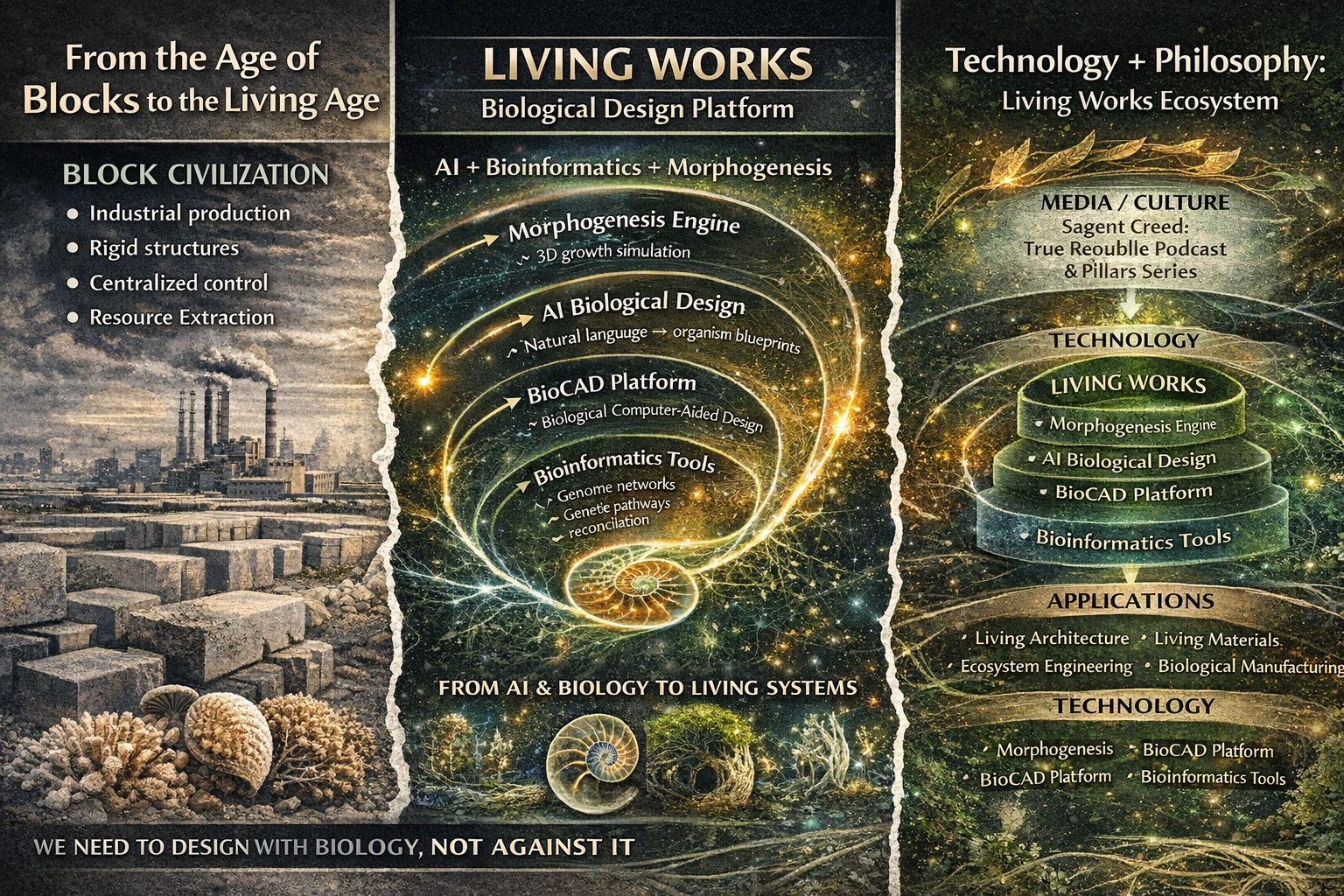

Living Works by the Word is a life-based design initiative exploring how biological principles — morphogenesis, emergence, stewardship — can reshape architecture, manufacturing, and the built environment.