Slide 1 / 10
Download PDF
01 Thesis
The Living Age Initiative

The design software
for living systems.

An AI-driven platform for designing biological structures, organisms, and living materials. The Autodesk of biology. Built for the transition from the Age of Blocks to the Living Age.

Sage Clokey — Steward · Designer · Bioinformatician

02 Problem

Civilization still builds
with blocks.

Modern construction, manufacturing, and infrastructure are based on industrial-age engineering: assemble rigid parts, consume massive energy, replace when broken.

Living systems already solved these problems. Trees build complex load-bearing structures. Coral builds mineral architecture. Fungal networks distribute resources with zero central control.

Block SystemSpiral System
Rigid hierarchyAdaptive growth
Central controlDistributed intelligence
ManufacturedGrown
DegradesSelf-repairs
Extracts from natureWorks with nature
03 Solution

Living Works — design
growth rules, not objects.

Living Works is an AI platform that sits between human intention and biological growth. Instead of manipulating vertices, users define growth rules. The biology does the rest.

Like Autodesk for buildings, Unity for games, Blender for graphics — but for biology.

"Grow a self-supporting dome structure using fungal mycelium optimized for humidity resistance."

→ Growth model · Gene pathway suggestions · Structural simulation

04 Technology

Four core technologies.
One integrated platform.
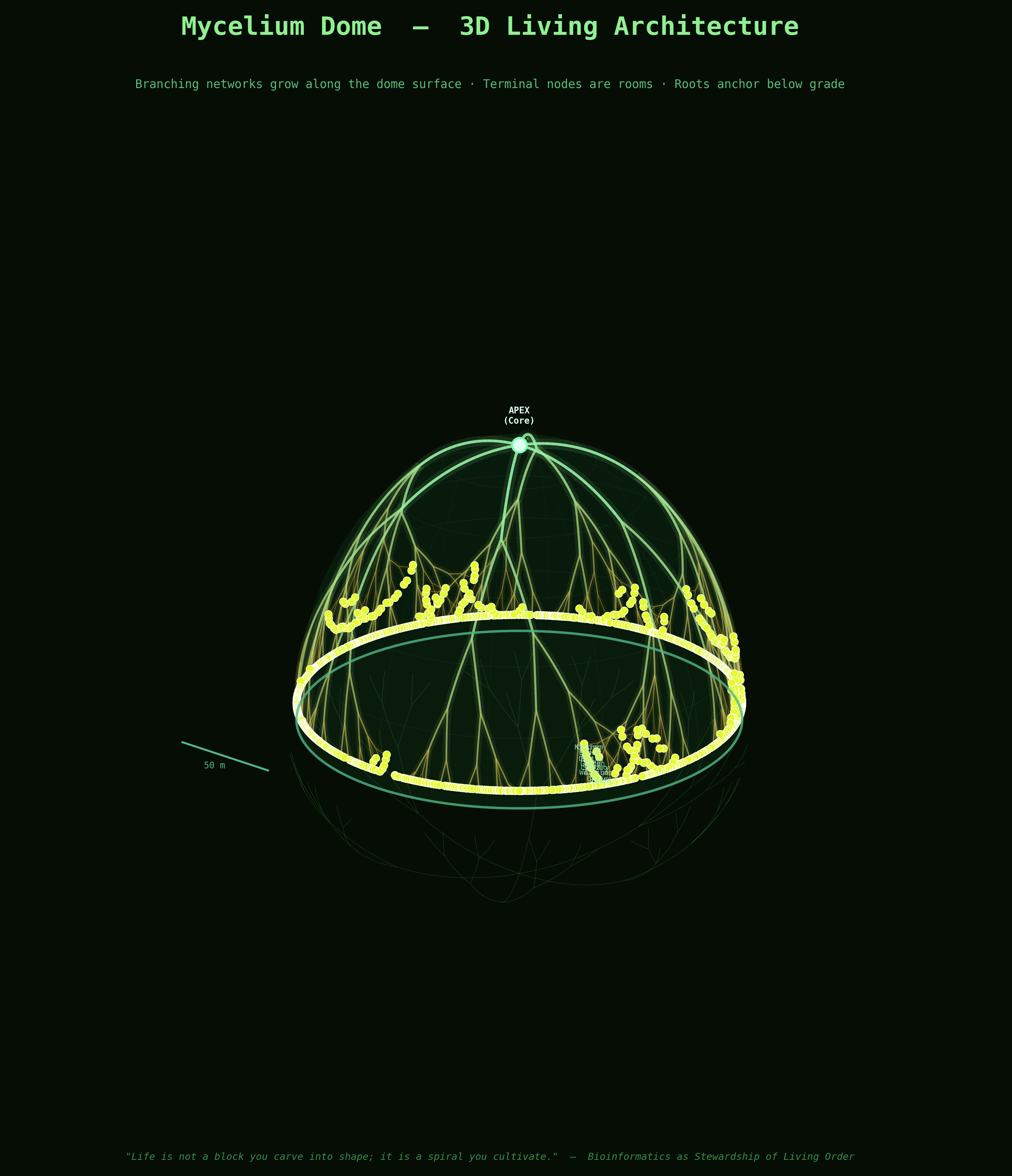
Morphogenesis Engine
01 — Core

Morphogenesis Engine

3D simulation of biological growth: branching systems, nutrient gradients, biomechanical forces. Form emerges from physics, not manual modeling.

Natural Language Bio Design
02 — Interface

Natural Language Bio Design

Plain-language prompts → growth algorithms → gene pathway suggestions → structural simulations. Biology as accessible as a text prompt.
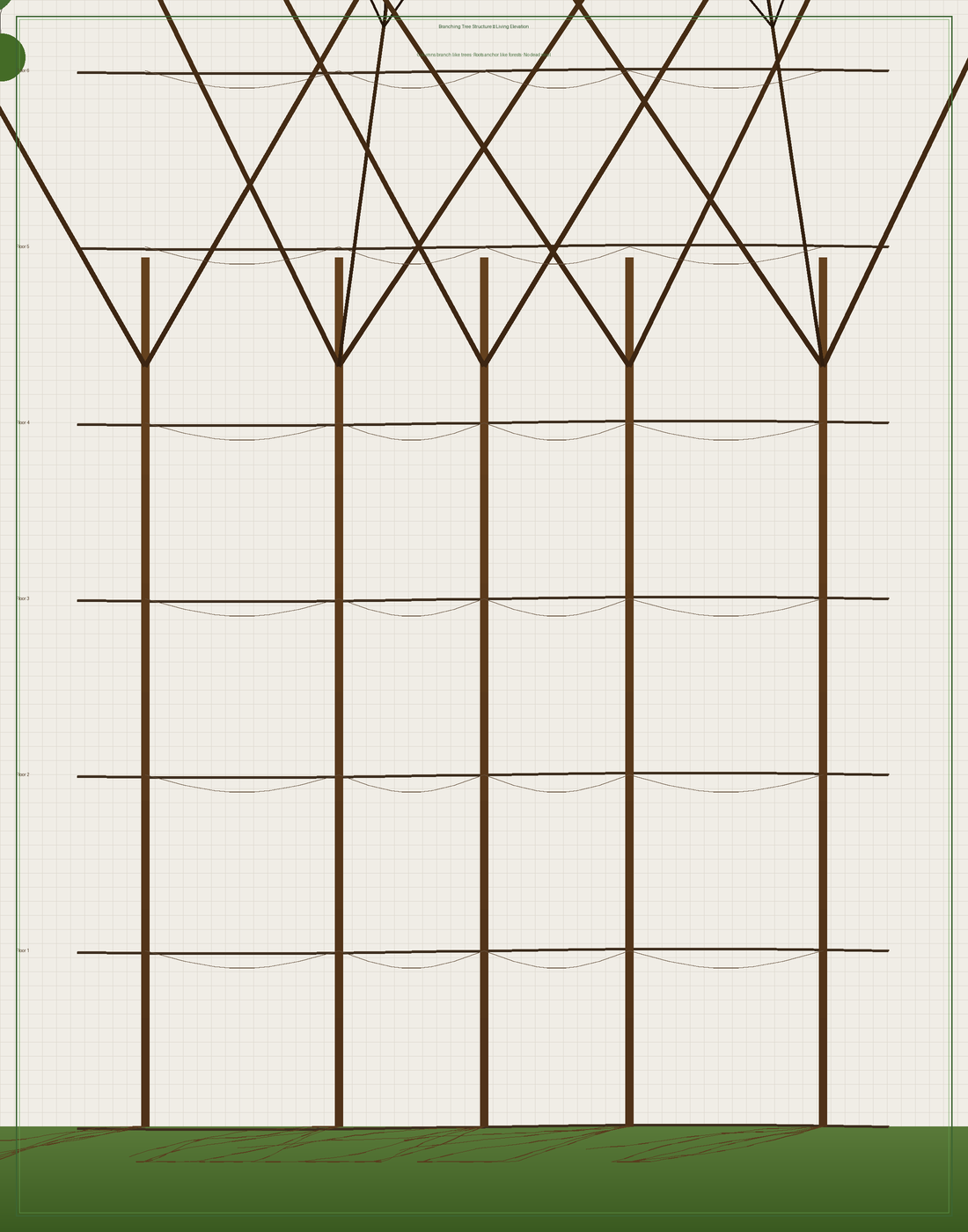
BioCAD Platform
03 — Platform

BioCAD Environment

Unified design workspace: organism blueprinting, gene network visualization, tissue architecture modeling, and ecosystem simulation.
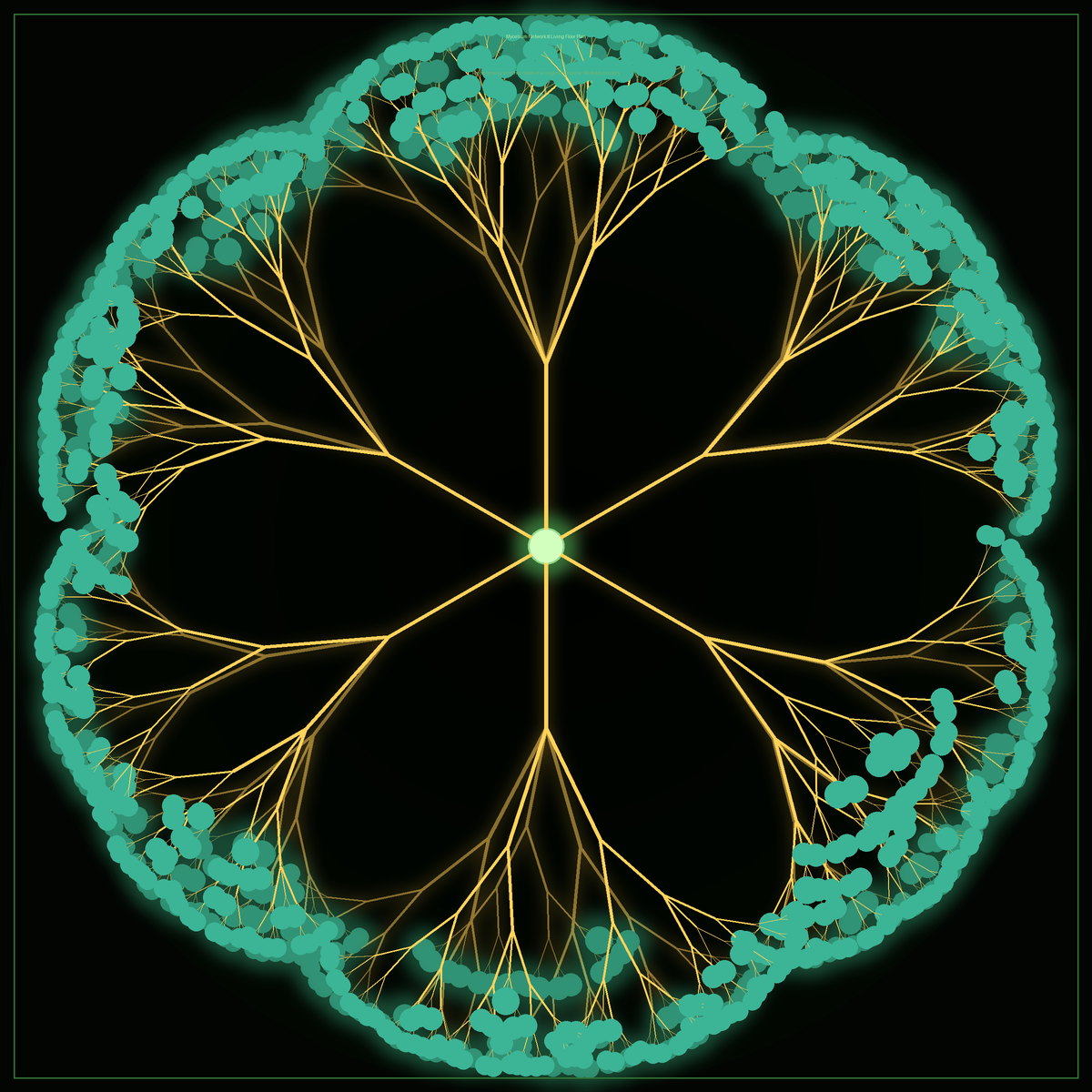
Living Materials Library
04 — Library

Living Materials Library

Curated biological building blocks — mycelium, plant scaffolds, bacterial cellulose, coral mineralization — each with growth rules and environment parameters.


05 Market

$45B+ addressable.
One critical gap.

$20B+
Synthetic Biology
$10B+
AI Drug Design
$15B+
Bioinformatics

No major platform today focuses on whole-organism morphology, 3D growth simulation, natural language biological design, or living architecture. 150+ companies in the ecosystem — none in the morphological BioCAD whitespace.

Plus: the emerging programmable living materials market — bio-grown buildings, carbon-absorbing cities, self-repairing materials — with no dominant design platform yet.

Living Architecture — The Vision
Living Architecture — The Market Vision
06 Competitive Moat

Morphological BioCAD —
a category with no incumbent.

Most competitors design at the molecular level — genes, proteins, microbes (Ginkgo, Generate, Benchling). They are strong there. We are not competing there.

Living Works designs at the morphological level — growth processes, tissue structures, organism architecture. This is the scale where buildings, materials, and ecosystems live.

Full competitive analysis →

Unfair AdvantageStatus
Morphogenesis simulation engineBuilt
Natural language bio interfaceIn development
Cross-scale design (DNA → architecture)Designed
Living materials marketFirst mover
Cultural narrative (Spiral Steward)Active
07 Revenue Model

Three streams: SaaS, services,
IP licensing.

TierPrice / Month
Academic$50–$200
Startup$500
Enterprise$2,000+

AI Design Services: Custom organism and material design projects. High-margin, project-based revenue from materials companies, construction firms, and biotech.

IP Licensing: Patents on biological growth algorithms, engineered organisms, and living material systems. Long-term recurring royalties.

08 Roadmap

From prototype to ecosystem
in three phases.

Phase 1Years 1–2

Build the Foundation

Morphogenesis engine, AI design interface, basic BioCAD. Early adopters: universities and synthetic biology labs. Academic SaaS subscriptions.

Phase 2Years 3–5

Expand to Industry

Living material design, architecture simulation, advanced AI models. Partner with architecture firms and materials companies. Enterprise tier launch.

Phase 3Years 5–10

Enable the Living Age

Programmable ecosystems, organism-scale design, living infrastructure. The platform becomes the standard design environment for biological systems.

09 Team

Steward · Designer ·
Bioinformatician.

Sage Clokey — founder and lead designer of Living Works by the Word. Working at the intersection of computational biology, morphogenetic simulation, architectural theory, and moral philosophy of design.

The morphogenesis simulation engine, the BioCAD conceptual framework, the visual design system, and the cultural narrative around Spiral Stewardship were developed through this initiative.

Seeking co-founders with complementary strengths: wet-lab biology, enterprise sales, and AI model development.

Sage Clokey
10 The Ask

Building the design layer
for the Living Age.

We are seeking early-stage partnerships with investors, collaborators, and institutions ready to build at the frontier where biology meets design.

The tools exist. The need is real. The market is forming now.

Download Business Plan Investor Hub → Competitive Analysis →

Living Works by the Word · Sage Clokey · 2026

Not blocks. Spirals.